Breathe more easily, support your health and develop a more adaptable relationship with your energy, attention and emotional state.
The breath is both a reflection of how we feel and a way of influencing it. It changes with stress, effort, emotion, rest and concentration, and can be used to support respiratory health, sleep, recovery, physical performance and greater physiological stability.
Drawing from functional breathing, pranayama, breathwork and breath awareness, Isaac brings traditional and contemporary approaches together according to what each practice is intended to achieve.
The value of a breathing practice lies not only in the technique itself, but in how, when and why it is used. Some methods quieten the breath and improve breathing efficiency. Others develop focus, increase energy, support recovery or help us remain present with stronger sensations and emotions.
Together, these practices help you breathe with greater ease, feel more resilient under pressure and use the breath more intelligently to support both physical and mental health.

Functional Breathing
Breathe more easily, sleep more deeply and feel less overwhelmed by stress.
These practices help make everyday breathing quieter, easier and more efficient. They can reduce unnecessary effort, support steadier energy, improve exercise tolerance and help stabilise your response to stress.
Over time, you become less dependent on effortful breathing and better able to remain calm during daily pressure.
Pranayama
Develop concentration, vitality and a steadier mind.
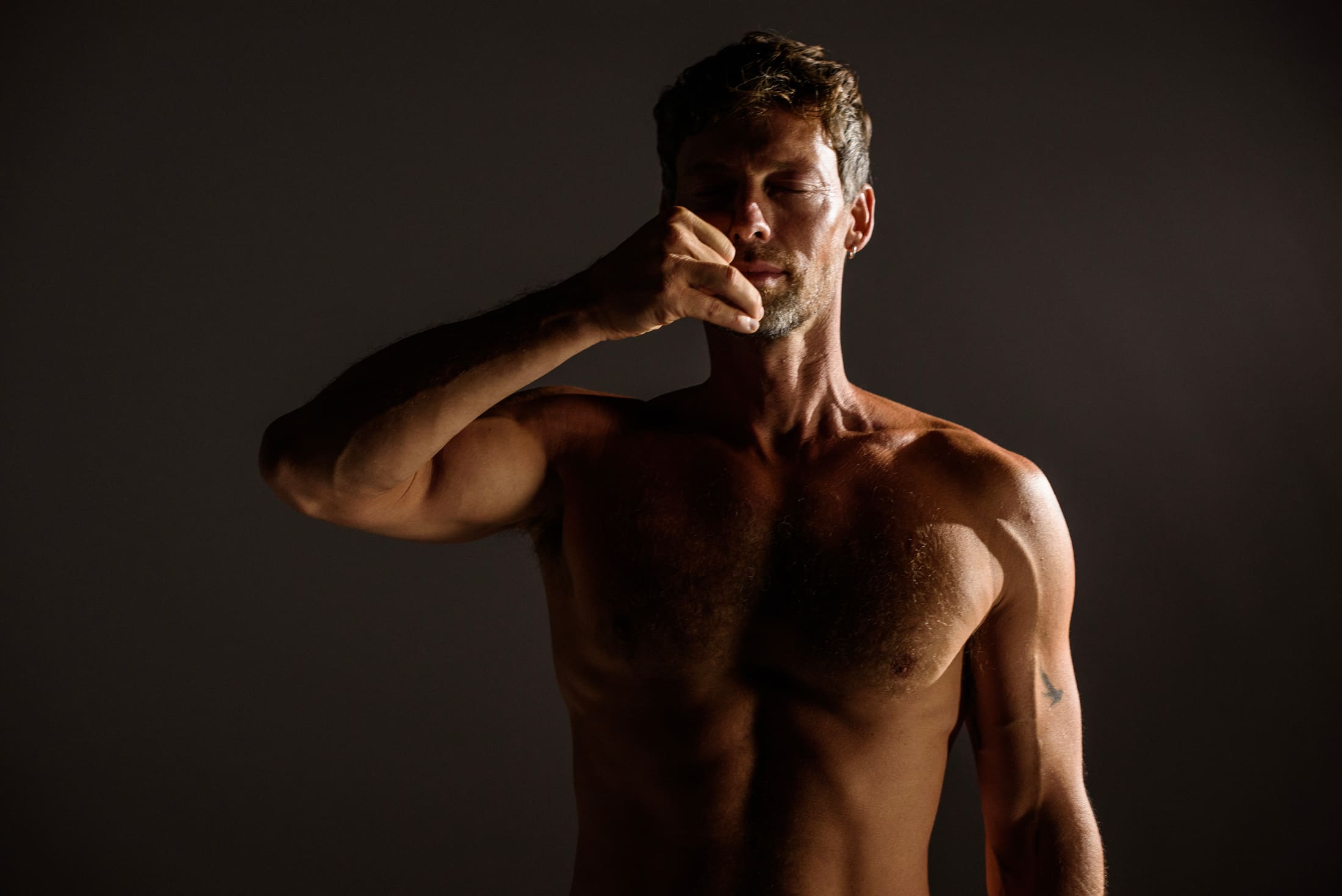
These traditional yogic breathing practices work with rhythm, control, attention and energy. They can sharpen focus, build inner stability and prepare the body and mind for meditation.
The emphasis is on precision and sensitivity, so that the practice strengthens rather than strains the nervous system.
Breathwork
Shift your state, release tension and restore energy.
These practices use deliberate changes in breathing to influence how you feel physically and emotionally.
Depending on the method, they may help you become more energised, more relaxed, less emotionally stuck or better able to remain present with strong sensation without becoming overwhelmed.
Breath Awareness
Become more present, recognise tension earlier and respond with greater choice.
These practices develop sensitivity to the rhythm, movement and physical experience of breathing.
By noticing changes in the breath before reacting automatically, you create more space between what you feel and how you respond. Over time, this supports greater presence, self-awareness and emotional stability.